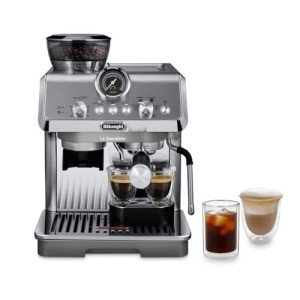
Home Use Espresso Machines: A Comprehensive Guide
Espresso machines have actually become a staple in numerous families as coffee lovers seek to replicate café-quality brews in the comfort of their cooking areas. The increase in appeal has led to a varied market filled with different designs, functions, and costs. This article intends to offer an informative summary of home use espresso machines, helping readers browse their options effectively.
Comprehending Espresso Machines
Espresso machines work by requiring hot water through finely-ground coffee under high pressure, resulting in a concentrated coffee beverage referred to as espresso. There are numerous types of espresso machines categorized based on their brewing methods and level of automation. The most common types include:
- Manual Espresso Machines: These need the user to manage the pressure and water flow, enabling a more hands-on coffee-making experience.
- Semi-Automatic Espresso Machines: These provide automatic control over water pressure, while the user by hand grinds and tamps the coffee.
- Automatic Espresso Machines: With the push of a button, these machines automatically manage the circulation of water, making it much easier to brew espresso with consistent outcomes.
- Super-Automatic Espresso Machines: These all-in-one machines manage grinding, tampering, developing, and even milk frothing, making them ideal for users searching for convenience.
- Pill or Pod Machines: These use pre-packaged coffee pods to create espresso with minimal effort, however they limit option in brewing strategies and flavors.
Table: Comparison of Espresso Machine Types
| Type | Control Level | Ease of Use | Cleaning up Level | Ideal For |
|---|---|---|---|---|
| Manual | User-controlled | Moderate | High | Coffee perfectionists |
| Semi-Automatic | Partial automation | Moderate | Moderate | Home baristas |
| Automatic | Fully automated | Easy | Low | Busy individuals |
| Super-Automatic | Totally automated | Extremely simple | Extremely low | Convenience seekers |
| Capsule/Pod | Completely automated | Really simple | Really low | Casual drinkers |
Secret Features to Consider
When selecting a home use espresso machine, it's important to consider different features that can considerably affect the quality of espresso and user experience.
- Pressure: Look for machines that supply at least 9 bars of pressure, as this is thought about ideal for brewing espresso.
- Boiler Systems: Single vs. dual boiler systems identify temperature stability and the ability to brew espresso and steam milk concurrently.
- Grinder: Integrated mills enable for newly ground coffee, which improves taste. Think about Cappuccino Machines with adjustable grind settings.
- Milk Frother: For those who delight in coffees and lattes, a built-in steam wand or automatic frother is essential.
- Size and Design: Consider your cooking area area and visual choices. Machines come in different sizes, from compact to big setups.
- Cost: Home espresso machines can range from a few hundred to several thousand dollars, so it's crucial to establish a budget before checking out options.
Advantages and disadvantages of Home Use Espresso Machines
| Pros | Cons |
|---|---|
| Benefit of developing coffee at home | Initial financial investment can be high |
| Quality of espresso is frequently exceptional | Requires some skill, especially with manual machines |
| Capability to experiment with flavors | Maintenance and cleaning can be labor-intensive |
| Can save cash in the long run | Not all machines will fit every coffee preference |
Maintenance and Cleaning Tips
Preserving an espresso machine is important for extending its life and guaranteeing constant brew quality. Here are some useful pointers:
- Regular Descaling: Minerals from water can develop in the machine. Descale every 1-3 months, depending on water firmness.
- Daily Cleaning: Rinse portafilters, baskets, and steam wands after each use to prevent coffee oils from developing residue.
- Use Filtered Water: This can help in reducing mineral buildup and enhance the taste of coffee.
- Replace Gaskets and Seals: These elements may break in time and should be replaced to maintain pressure and performance.
- Read the Manual: Each machine has specific care directions; following these will ensure longevity.
FAQs About Home Use Espresso Machines
Q1: What is the best budget espresso machine?The best budget espresso machine typically depends upon specific needs, however models like the DeLonghi EC155 or the Breville Bambino are popular amongst users for offering great worth. Q2: How long do home espresso machines usually last?With proper maintenance, home espresso machines can last anywhere from 5 to 15 years, depending upon the quality of the machine and frequency of use. Q3: Can I make cappuccinos and lattes with any espresso machine?While most espresso machines can make cappuccinos and lattes, having a reputable
steam wand or frother is essential for accomplishing the right milk texture.
Q4: Are super-automatic machines worth the investment?For those who prioritize benefit and fast brewing, super-automatic machines can be worth the investment, though they might lack some customizability in brew strength and taste. Q5: What kinds of coffee beans are best for espresso?While personal choice plays a role, beans identified as" espresso "blends are usually roasted darker, creating rich tastes and a creamy texture when brewed.
Purchasing a home espresso machine can transform the day-to-day coffee regimen into something unique, elevating home brews to café quality. By comprehending the various types of machines, key features to think about, maintenance needs, and weighing the
advantages and disadvantages, consumers can make educated choices that suit their individual choices. As the espresso culture continues to grow, no matter the option, every brew can be a delicious experience waiting to be relished.